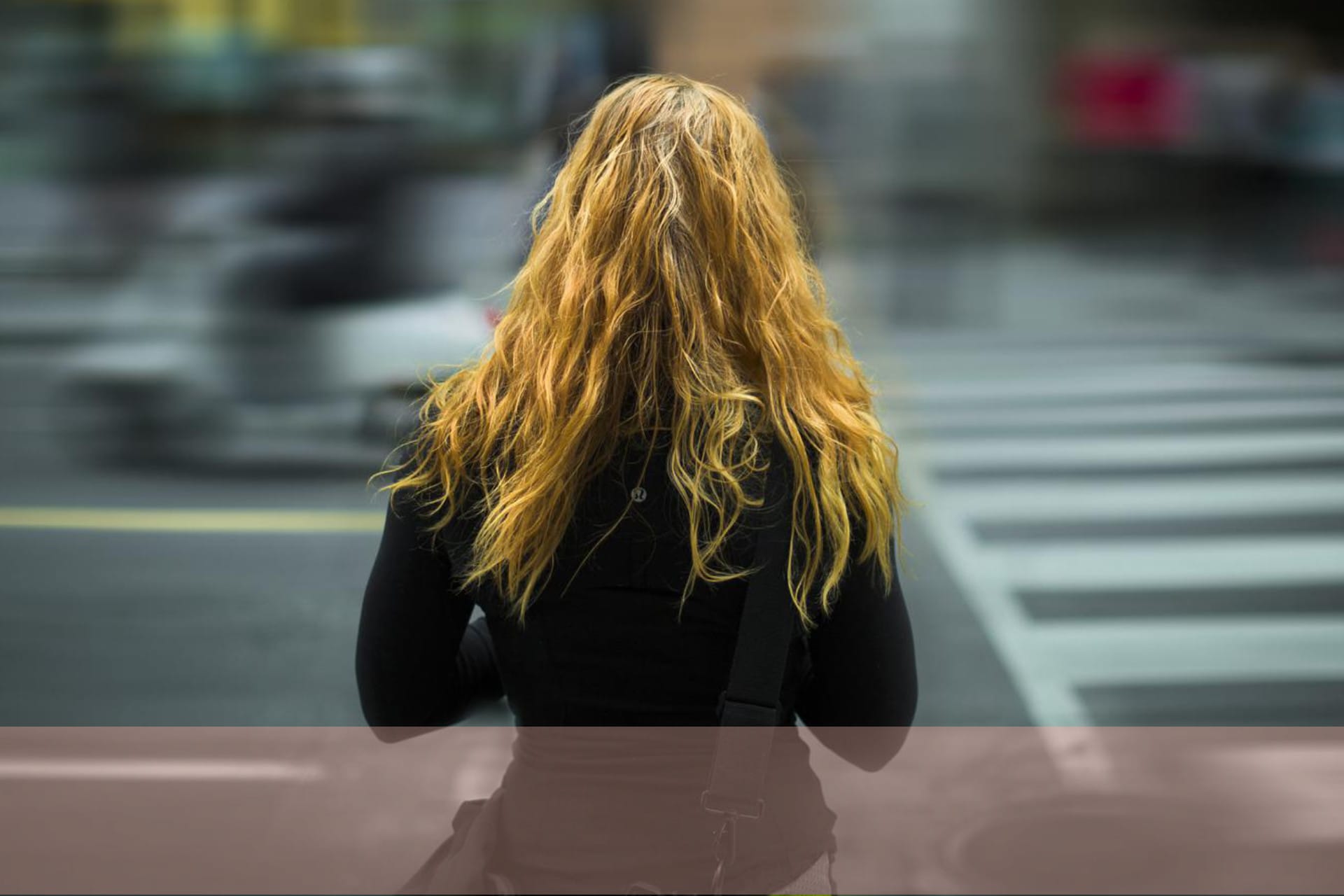
Témoignage de Carole
La première agence d’escorte dans laquelle j’ai été m’a rapidement maltraitée. Selon eux, pour garder ‘’ma place’’ je devais parfois fournir davantage d’heures ou moins, dépendamment de leur désir d’essayer d’autres femmes ou non.
J’ai changé d’agence malgré leurs menaces et il me fallait alors redonner plus de 50% de mes gains à l’agence et au revendeur de drogues qui m’obligeait, en collaboration avec cette agence, à en acheter. Au début je ne la consommais pas, mais peu de temps après je me suis mise à le faire. Ils m’ont ainsi prise au piège, j’y retournais toujours, j’étais devenue accrochée à la drogue et j’avais peur d’eux.
Au fil du temps, j’ai perdu la garde de mes enfants, fait des séjours en psychiatrie et en prison, connu l’itinérance, fait des tentatives de suicide, subi de la maltraitance par des policiers, des agences et des clients, perdu mon estime personnelle, ma confiance, ma santé… J’ai développé une dépendance aux drogues dures et j’ai été involontairement intoxiquées au GHB, j’ai subi de nombreux viols et connu toutes les formes de violences possibles. C’est un aperçu des conséquences que la prostitution a eu sur moi rapidement, mais il y a aussi des conséquences à long terme que je rencontre encore aujourd’hui.
J‘étais presque morte quand j’ai rencontré une intervenante de milieu. J’ai tout de suite été en confiance auprès d’elle. J’ai appris que je n’étais pas seule à vivre ces hauts et ces bas dans la sortie de la traite humaine et j’ai trouvé un sens à ma vie.
Les intervenantes de l’organisme que j’ai fréquenté m’ont soutenue nuit et jour. Je m’y suis fait de nouvelles amies qui avaient elles aussi vécu l’exploitation sexuelle. Par leur témoignage et leurs encouragements, elles m’ont donné la conviction que je pouvais moi aussi vivre sans crainte et m’épanouir.
Avec de l’aide, j’ai retrouvé mes forces, mes qualités, mes aptitudes… J’ai participé à plusieurs activités, sorties, ateliers, conférences, loisirs, groupes d’entraide… Je me suis aussi impliquée dans l’organisation des assemblées générales et sur le conseil d’administration.
J’ai connu beaucoup de monde ; des groupes de femmes, des bénévoles, des professionnels, des artistes, des professeurs, des gens de tous les milieux et de partout sur la planète qui appuient les femmes prises dans l’industrie du sexe et les survivantes qui se battent pour en sortir.
J’ai appris comment je peux soigner mes traumatismes. J’ai reçu des soins incomparables et personnalisés. Les intervenantes de l’organisme sont qualifiées pour aider les femmes à sortir de la prostitution, et ce à tous les niveaux. Les formations disponibles dans ces années- là étaient plus rares et la volonté, la détermination et l’efficacité pour m’aider à travers de ce long processus fut remarquable.
J’ai aussi été accompagnée pour reprendre contact avec mes enfants. Mon intervenante m’a soutenue à travers cette démarche délicate et émouvante. Elle m’a accompagnée à mes rendez-vous avec la DPJ. Je suis ensuite retournée à l’Université et au travail.
Après quelques années de rétablissement, j’ai connu Le CAFES, (Collectif d’aide aux femmes exploitées sexuellement) via une de ses fondatrices, Rose Sullivan, qui donnait un atelier auquel je participais. Elle m’a aidée alors que j’étais sur le bord de la psychose, hyper vigilante, perdue au coin de ma rue comme si j’étais en terre inconnue… Elle m’a accueillie chez elle et tout naturellement, elle m’a partagé son quotidien, ses démarches pour aller mieux et aider d’autres femmes. Je suis revenue rapidement dans le monde réel. Elle est devenue mon amie et avec ses références, j’ai accédé à un autre groupe à Montréal et j’ai reçu une merveilleuse formation pour devenir paire-aidante. De pouvoir animer des ateliers thématiques, parler de la ressource aux autres organismes et au public, d’être outillée pour savoir comment mieux accompagner une femme qui veut sortir de la prostitution, ça m’a donné un super sentiment d’accomplissement et ça m’a aidé à continuer ce long processus de sortie de la prostitution.
Les rencontres en individuel aussi par des intervenantes expérimentées et humaines m’ont fait voir que je suis en sécurité, soutenue, encouragée et accompagnée pour tous mes besoins.
À l’extérieur des ressources spécialisées pour les femmes victimes d’exploitation sexuelle, énormément de gens craignent de voir la réalité qui nous entoure au niveau de la prostitution et malheureusement plusieurs professionnels ne savent pas encore de quoi il en retourne.
Je me souviens d’une psychiatre qui m’a demandé sur un ton très agressif, et cela des années après ma sortie de la prostitution : ‘’ Pourquoi as-tu fait de la prostitution ??? ‘’ et ‘’ Tu ne cherches qu’à attirer l’attention’’ alors que je consultais en urgence pour un état dépressif. Je lui ai répondu : ’’ Alors madame, sachez bien que ce n’est pas simple du tout… ’’, mais elle ne m’écoutait pas du tout et avant que je puisse répondre elle posait une autre question. Son entretien a été très bref. Comment est-ce que je peux faire confiance à ce genre d’intervention où je me suis sentie mal jugée et mal aidée ? Je souhaite pouvoir faire davantage confiance aux professionnels de notre société.
Au niveau du logement j’ai trouvé ça très, très difficile. Avec tout ce que j’ai vécu, je me suis retrouvée à être hypervigilante même dans mon logement et mes peurs me rendaient parfois confuse et désorientée. Effectivement les abuseurs de la traite humaine (les prostitueurs) n’ont pas lâché leur emprise sur moi avant plusieurs années. Les policiers étaient souvent mal informés et médisants, parfois même sournois, voire complices, lorsque j’ai eu à leur demander de l’aide. Par chance que maintenant les nouveaux policiers, les plus jeunes sont mieux informés et motivés. En effet le corps de police de la Ville de Québec ainsi que plusieurs intervenants de groupes communautaires ont reçu de la formation offerte par les ressources pour femmes exploitées sexuellement pour les aider à savoir comment intervenir auprès des victimes d’exploitation sexuelle.
Beaucoup de femmes ont accepté de témoigner sur leur vécu lors de ces formations. Je vois une amélioration à ce niveau, mais pendant longtemps je fuyais, changeant de milieu de vie fréquemment.
Aujourd’hui je peux dire que je vis bien. Je suis précaire financièrement et j’habite dans un quartier où il y a de la pauvreté et de la criminalité, mais je me sens en sécurité dans mon milieu de vie encadré, avec un contact étroit d’intervenants-es en santé mentale et de groupe d’aide aux femmes victimes de la traite humaine et de l’exploitation sexuelle.
J’ai appris comment être et me sentir en sécurité sans être hyper vigilante. De plus, avec l’aide d’une intervenante j’ai réussi à obtenir un mandat de l’IVAC pour recevoir de la psychothérapie. La psychothérapeute que je vois une fois par semaine depuis plus d’un an m’a grandement aidée. Elle m’aide avec mes traumatismes, et comme ça va de mieux en mieux, l’IVAC nous permet de renouveler le mandat. Souvent c’est difficile, j’ai trébuché de nombreuses fois, ça prend du temps, mais je me décourage moins souvent qu’avant devant toutes ces difficultés, car j’ai appris comment y faire face. Je n’hésite pas à demander de l’aide au besoin. Je suis devenue autonome face à mes problèmes et je connais mes ressources.
Je dis MERCI et je suis très reconnaissante de toute l’aide que j’ai reçue et de tout le monde qui participe à ces projets, que ce soient des organismes comme La Sortie, ou des survivantes impliquées comme Rose Sullivan. Il faut plusieurs ressources et plusieurs personnes qui travaillent ensemble pour aider les survivantes, car nos besoins lorsque nous sortons de la prostitution sont extrêmement nombreux.


 Victims often find themselves in complex romantic relationships with their pimps. In 2018, it was estimated that this was the case for 85 to 90% of prostituted women. These relationships are characterized by an unequal power dynamic, in which the pimp exerts psychological and emotional control over the victim.